Introduction
Percutaneous Endoscopic Gastrostomy (PEG) tubes have actually come to be a vital tool in modern medication, offering crucial nourishment to patients that can not take in food orally. The appropriate administration of PEG tubes is essential for ensuring person security and comfort, making it a vital skill for nursing and support functions. This short article dives deep into the details of PEG tube administration, incorporating everything from training to sensible methods, and highlights the value of appropriate take care of individuals counting on enteral nutrition.
PEG Tube Management: Important Abilities for Nursing and Assistance Roles
What is PEG Feeding?
PEG feeding describes the process of delivering nutrition straight into an individual's tummy through a tube inserted using an endoscopic procedure. This method is typically utilized for individuals with swallowing troubles as a result of different clinical conditions such as neurological conditions, cancers, or strokes.
Why Usage PEG Feeding?
- Nutritional Support: Supplies important nutrients when dental consumption isn't possible. Improved Quality of Life: Patients can keep their nutritional requirements without intrusive methods. Home Care: Promotes at-home care alternatives for people calling for ongoing support.
The Significance of Training in PEG Tube Management
Training is vital in the world of medical care, particularly concerning procedures like PEG tube administration. Registered nurses and assistance employees need to be sufficiently outfitted with understanding about enteral feeding strategies and problems that may arise.
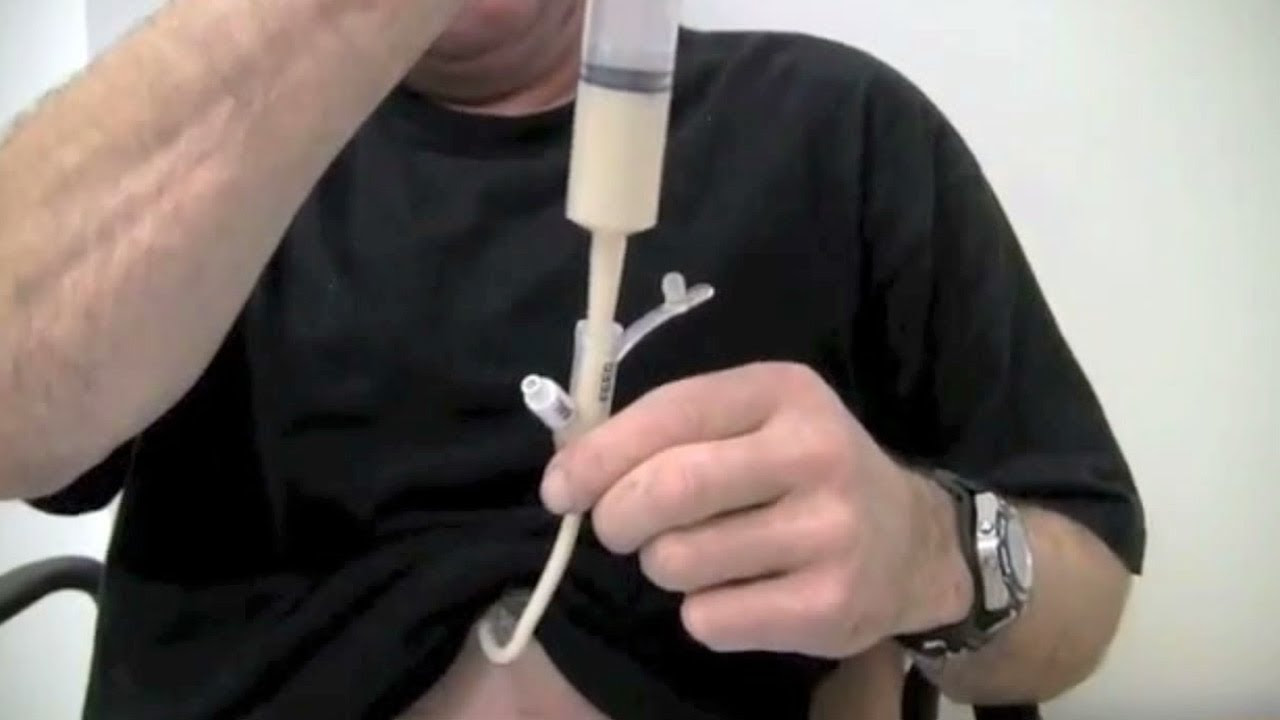
NDIS PEG Feeding Training
The National Handicap Insurance Plan (NDIS) offers specialized training programs tailored to the unique difficulties dealt with by nurses and support employees handling enteral feeding. These programs are made to enhance abilities in:
- Tube Placement: Understanding exactly how to appropriately position a PEG tube. Feeding Techniques: Providing enteral nutrition safely.
Enteral Feeding Support Course
An enteral feeding support course provides thorough coverage on a number of subjects including:
Types of enteral feeds Administration methods Monitoring techniquesThese courses are important resources for those associated with direct client care.
Essential Skills Required in PEG Tube Management
Understanding Enteral Nutrition Support
Enteral nourishment includes delivering nutrients directly to the gastrointestinal system. It's critical that healthcare specialists understand how this varies from parenteral nourishment (IV feeding).
Key Parts of Enteral Nutrition:
Macronutrients (healthy proteins, fats, carbohydrates) Micronutrients (nutrients) Water balance Caloric requirementsCorrect Positioning Strategies for PEG Tubes
Proper positioning is necessary in making certain that television operates properly without causing harm or discomfort.
Steps Involved in Appropriate Placement:
Preparation: Collect all necessary equipment. Insertion: Follow clean and sterile methods during insertion. Confirmation: Check positioning using pH screening or imaging studies.Maintenance of PEG Tubes
Regular maintenance makes sure that tubes remain license and functional.
Daily Treatment Protocols Include:
- Cleaning around the stoma site Monitoring for signs of infection Flushing television with water before and after feeds
Recognizing Difficulties Related to PEG Tubes
Complications can develop even with correct monitoring; therefore it's critical to understand what to look out for.
Infection at the Stoma Site Tube Displacement BlockageBeing watchful about these concerns can avoid further complications down the line.
Training Alternatives Offered for Healthcare Professionals
Overview of PEG Training Courses
There are various training courses offered specifically made for medical care experts seeking to enhance their abilities in managing PEG tubes effectively.
Types of Training Courses:
Peg Training for Nurses- Focused on medical application and individual care strategies.
- Tailored material concentrating on sensible abilities needed in home treatment settings.
- Localized offerings offering understandings right into Australian healthcare standards.
Benefits of Register in Peg Feeding Training
Participating in specialized training programs benefits medical care experts considerably by equipping them with current practices rooted in research-backed methodologies.
Practical Techniques for Reliable PEG Tube Management
Administering Enteral Feeds Safely
Administering feed calls for cautious interest to technique and hygiene to lessen risks related to feeding via a tube.
Best Practices Include:
Verify tube placement prior to each feed. Use aseptic technique throughout preparation. Monitor individual tolerance throughout administration.Monitoring Individual Reaction Throughout Feeding
Monitoring just how people react throughout feeding sessions helps minimize potential threats while additionally improving general comfort levels.
Key Indicators to Observe:
- Signs of distress or discomfort Vomiting or regurgitation Changes in vital indications
Special Factors to consider When Handling PEG Tubes
Modified Diet Plans Based upon Individual Needs
Not every patient will certainly have the same dietary needs; hence recognizing these variants is key.
Factors Influencing Dietary Adjustments:
Age and weight Underlying clinical problems Personal preferencesPsychological Aspects of Individuals Requiring PEG Feeds
Patients may experience anxiety or anxiety concerning their feeding techniques; addressing these issues holistically boosts care quality.

FAQs regarding PEG Tube Management
What is a PEG Tube?
A Percutaneous Endoscopic Gastrostomy (PEG) tube is a flexible tube put right into the tummy via an endoscopic treatment to provide nutrition straight when dental intake isn't possible.
How long can an individual remain on a PEG feed?
Patients can continue to be on a PEG feed as long as clinically essential, however regular analyses have to ensure ongoing appropriateness based on dietary needs and total wellness status.
Can I provide medicines via a PEG tube?
Yes, medications what is peg feeding can be administered using a PEG tube; nevertheless, they need to be fluid whenever possible or correctly crushed if strong types are utilized-- always seek advice from guidelines regarding particular medications first!
What ought to I do if my individual's tube comes to be dislodged?
If a tube becomes dislodged, do not attempt re-insertion yourself! Rather, look for instant medical assistance while making sure that your individual continues to be comfy up until assistance arrives.
Are there any type of age limitations regarding that can get a PEG tube?
No details age limitations exist; nonetheless, professional judgment must assist decisions based on underlying health and wellness conditions as opposed to age alone.

How usually must I transform dressings around the stoma site?
Dressings need to commonly be altered daily or if they become damp or stained-- yet constantly follow particular procedures set forth by your healthcare facility!
Conclusion
In verdict, mastering the art of PEG Tube Management is vital within nursing and support duties-- incorporating academic knowledge with practical abilities ensures individual safety while enhancing their quality of life with efficient enteral nutrition support systems like PEG feeds Continuous education through avenues such as ndis peg feeding training or enteral feeding assistance courses stays extremely important as we browse this complicated yet gratifying area together! Frequently refreshing these abilities promises optimum treatment shipment while cultivating confidence amongst professionals working with vulnerable populations reliant on these important interventions-- the journey is continuous however greatly vital!